Views: 0 Author: ICEVER Publish Time: 2026-01-12 Origin: ICEVER

Policy Changes: Starting April 1st, tax subsidies for photovoltaics (PV) will be canceled, and the "9-6-0" tax rebates for batteries will be phased out.
While technology across the PV and lithium battery industries is steadily improving, the sector faced widespread losses in 2025.
In the past, the industry called for an end to "internal competition" (involution), but this was largely capital market speculation and did not result in a real reduction of production capacity.
Current reserves remain high, leading to further intense competition. The most direct result is that manufacturers use subsidies to drive down prices, creating a vicious cycle. Consequently, against the backdrop of global trade maneuvering, this decision was proposed and implemented.
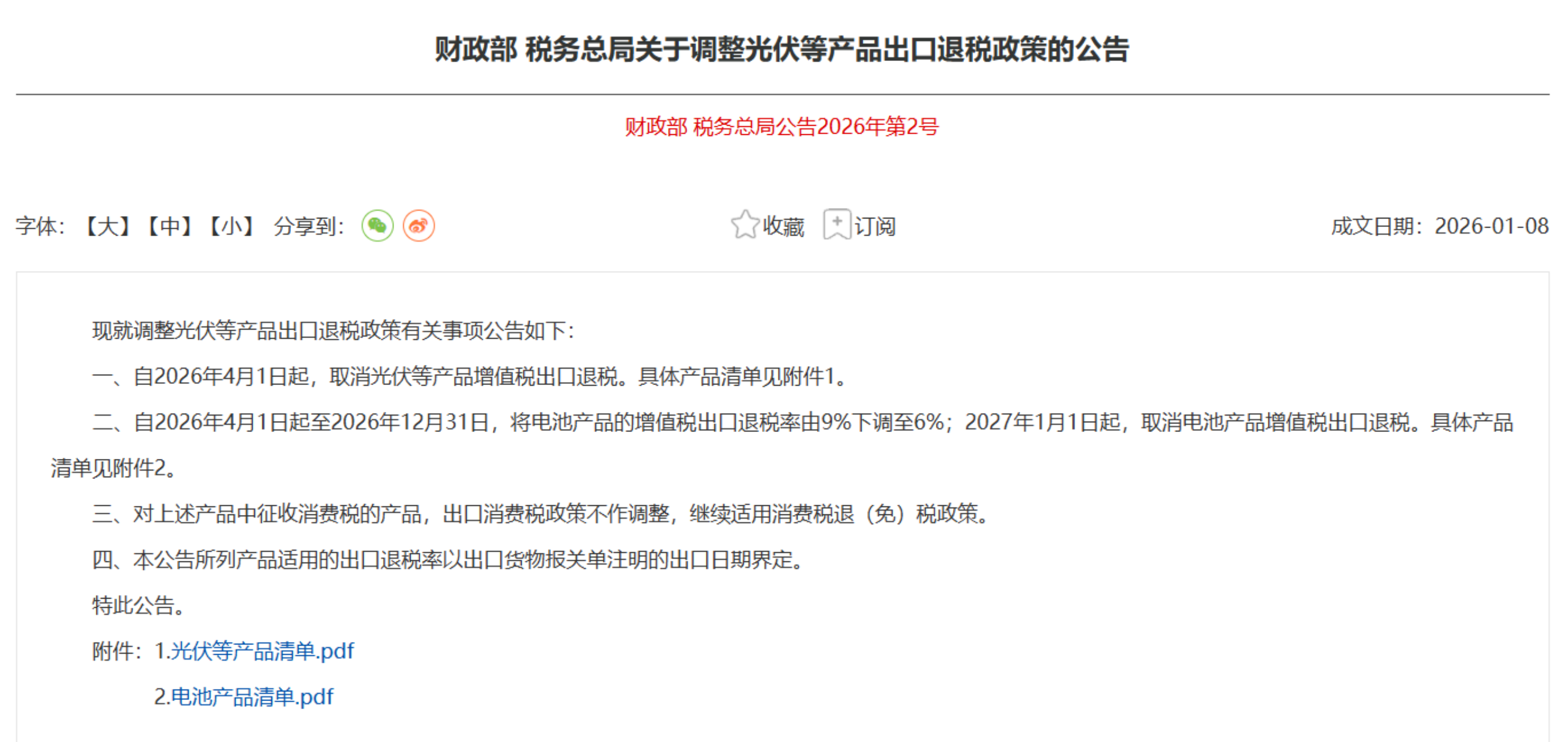
The official announcement sent by the Chinese government in the last week
We have gathered discussions from our past interactions with customers. Many clients have real concerns about energy, especially regarding large-scale projects. Reducing long-term operating costs remains a massive challenge.
Currently, the large-scale cultivation industry generally follows three paths: solar power, centralized power supply, or other methods.
Solar power will be the first to feel the impact. Because solar power relies on energy storage, grid connection, or other adjustments to ensure stability, projects that are currently in planning or already completed will face significantly higher procurement and maintenance costs in the future.
Centralized power supply needs to be discussed case-by-case.
The price increase of photovoltaic panels and batteries will not affect the cost of plant grow lights.
Pure UPS cabinets are not affected.
The specific reasons are the same as for individual plant grow lights; a pure UPS is simply a very large power supply for plant grow lights, but it's placed externally to the equipment to improve safety, heat dissipation, and energy efficiency.

Some Pure UPS cabinets are working
Rising prices of photovoltaic panels and batteries will affect the cost of grow lights.
However, if integrated equipment uses large quantities of LED driver groups combined with energy storage to regulate stability, the cost of those storage components will be significantly impacted. For growing regions with unstable electricity, the latter is often the superior choice.
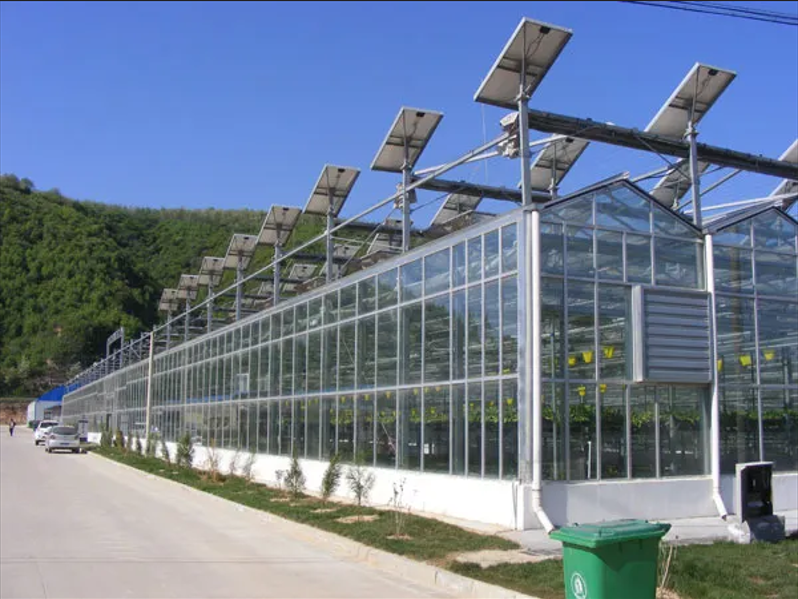
Some projects that using solar energy
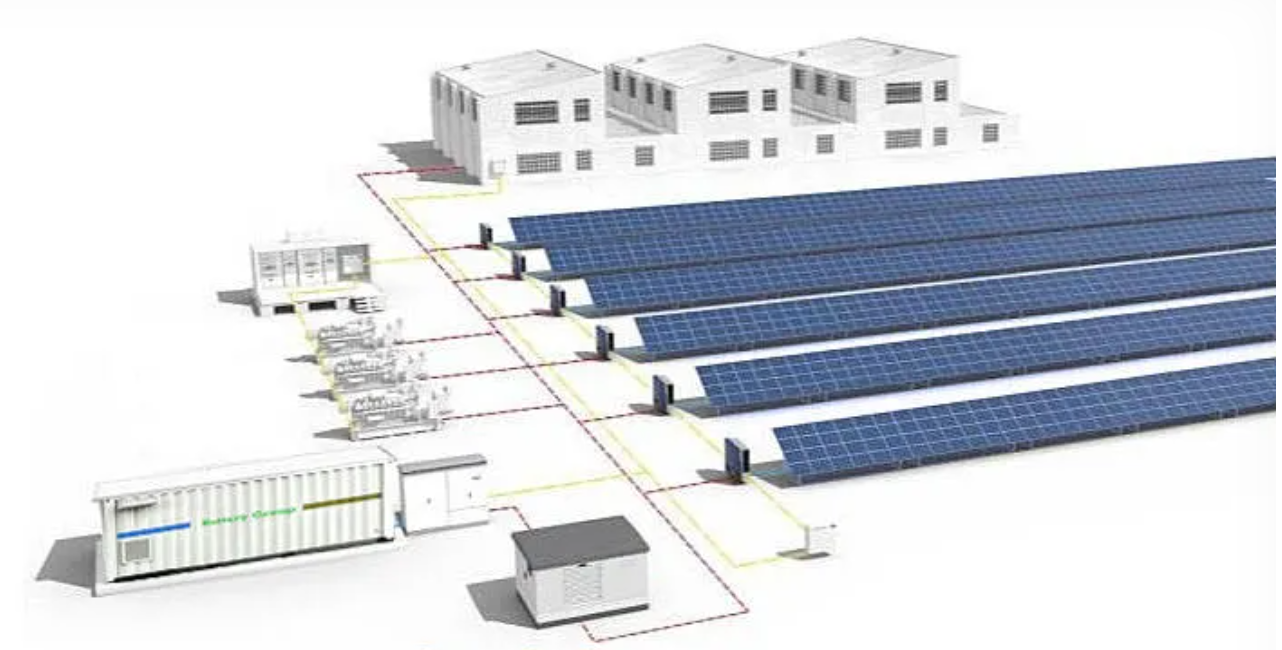
Solar-powered grow light system power supply layout diagram
Grid stability is always a key evaluation point for large-scale cultivation. It has a massive impact on both equipment safety and plant growth results.
Plant Safety: If the light cycle is disrupted, crops may experience stress. This leads to issues with product quality, causing brand reputation to decline or resulting in heavy economic losses.
Equipment Safety: Under unstable grid voltage, the aging of electronic components accelerates. This is the core reason why we use high-quality power supplies.
To handle these situations, our measures include:
Therefore, we consistently insist on using high-quality power supplies. However, even within the same brand, performance varies across different power levels and designs. What we can do is test—using actual performance to determine the best and most cost-effective power supply.
Taking the V3 as an example, if you have received our quotes for different wattages, you will find we use Mean Well for under 300W and Inventronics for over 300W. In our designs, Mean Well might produce unusual noise at very high power, while other brands perform better in terms of value and stability.
We choose the most compatible power supply. This isn’t a fault of Mean Well—it remains industry-leading—it’s just that there are better options for specific cases.
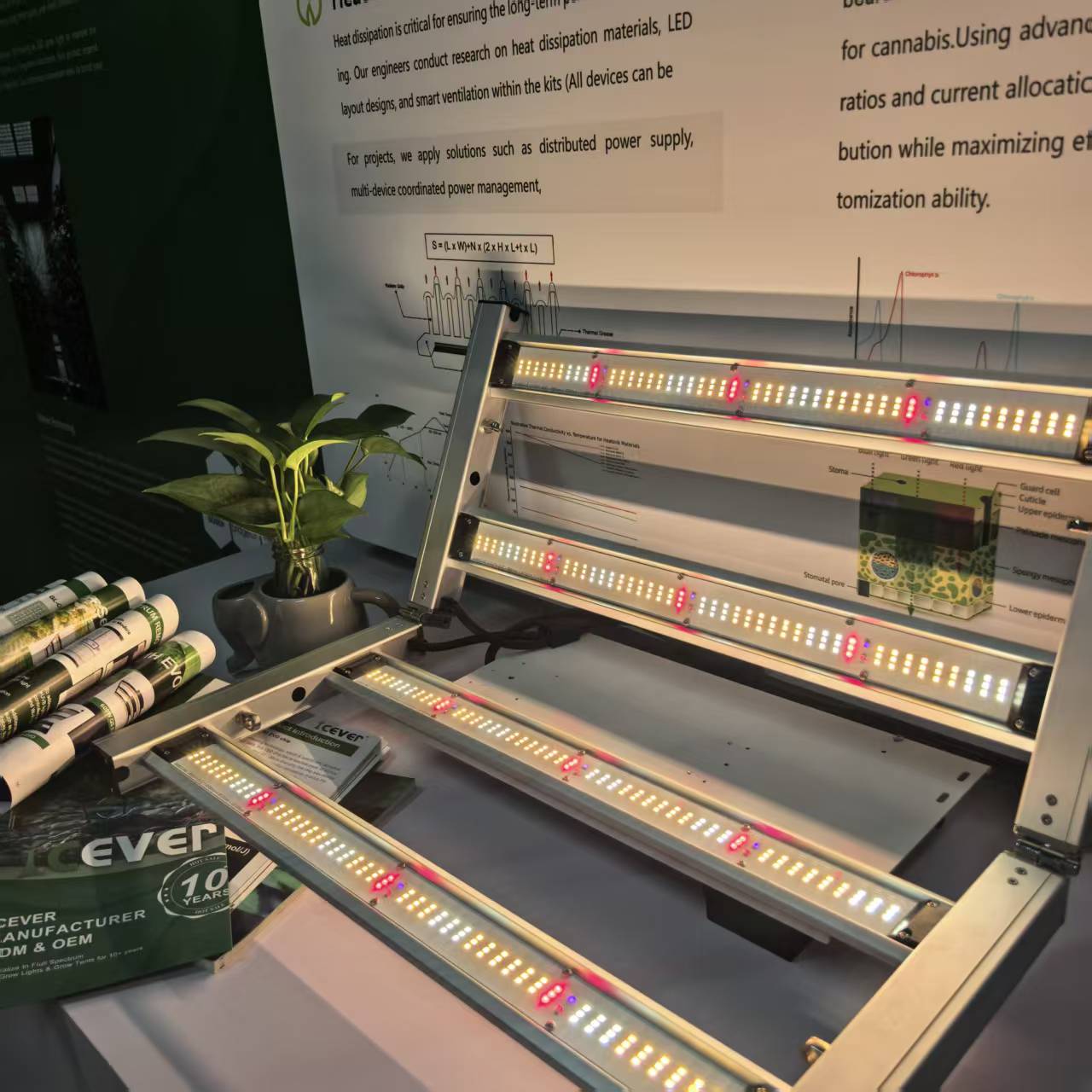
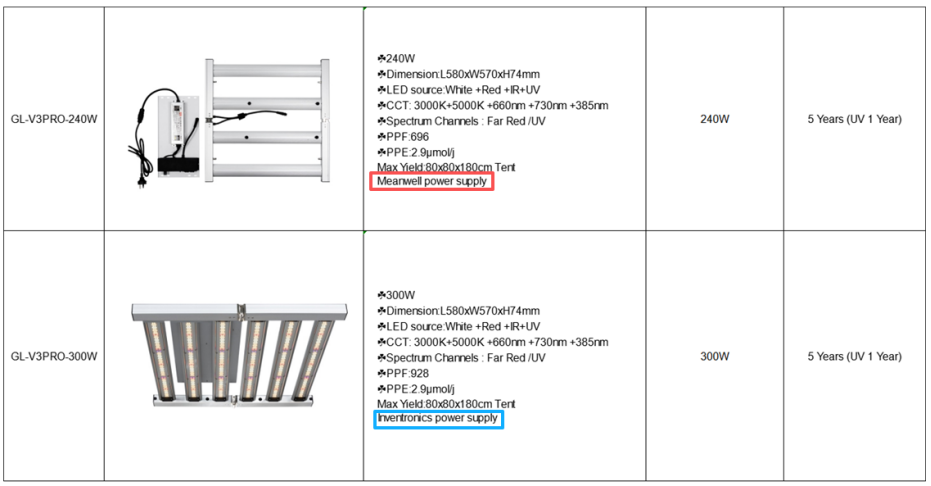
Performance varies across different power levels and designs
Do not over-drive chips to reduce costs
 There are many cheap LED flashlights or light strips on Amazon that achieve high lumens at the lowest cost; this is a case of over-driving.
So what about their quality and lifespan?
The answer is obvious: they stop working very quickly. Designers might use low-quality PCBs that carry more current than intended, or use high currents that force LEDs beyond their normal range, sacrificing lifespan for high brightness. If the chip is also of poor quality, the entire light will fail quickly, sometimes even before the power supply.Increasingly, consumers recognize the fire and financial risks of this approach. We insist on using excellent chips and circuit designs to be responsible for our customers' investment.
Again, using the V3 as an example, the priority is light effect, followed by product safety. We consider the cost differences between 281, 301, and EVO chips. To ensure performance doesn't drop off a cliff between options without over-driving, we increased the number of 281 chips.
While energy consumption varies due to different PPE ratings, we provide full parameter tables to inform customers.
With these measures, our products can more easily handle grid fluctuations. Amidst changing costs for energy storage devices, our product safety can help your project through the transition.
Based on current observations, the direct impact is minimal. I will first break down one of our products as a demonstration.
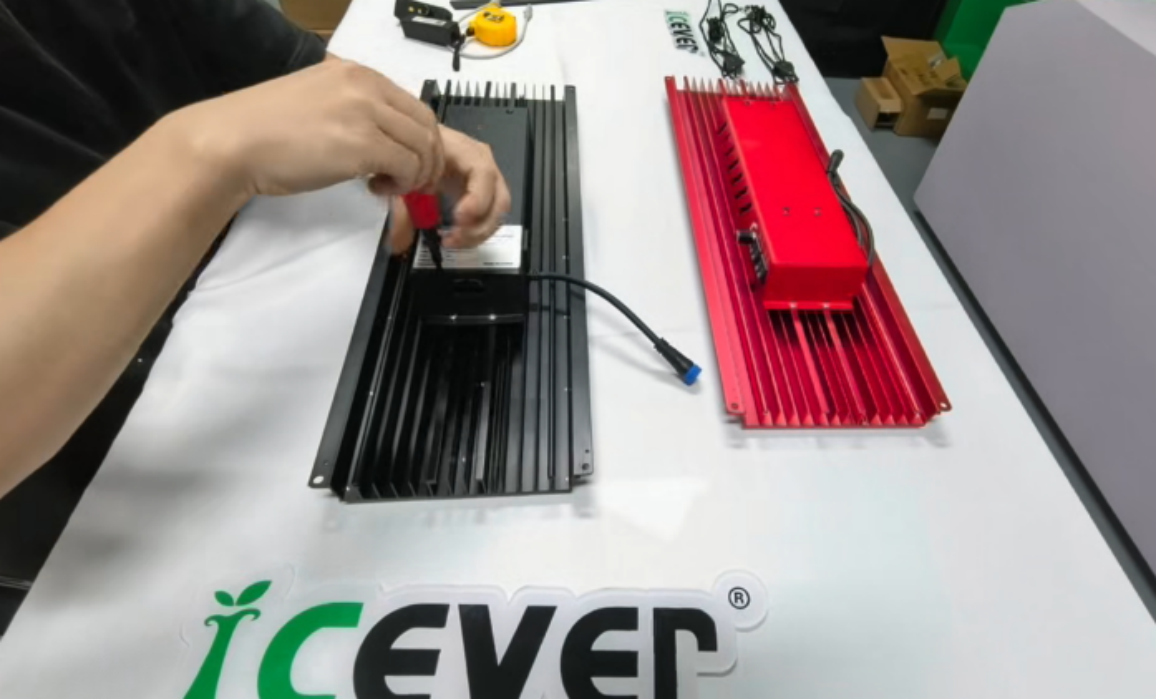
Attempting to disassemble the ICEVER QB grow light during a DIY project.
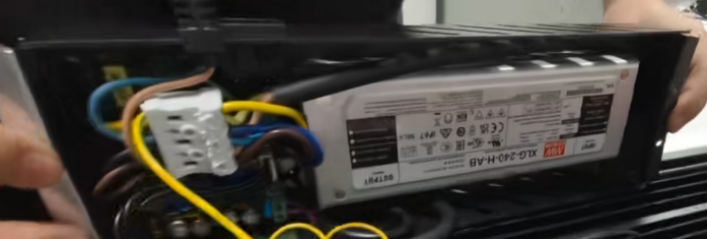
ICEVER's QB grow lights use high-quality Mean Well power supplies internally.
Most grow lights on the market use "LED Drivers" rather than "Batteries". The LED driver is the core of power control, converting AC or DC input into a stable electrical output that LEDs can use safely. A battery is an energy storage unit that stores power and releases it when needed; however, a stable driver is still required during the release process to ensure product safety.
Looking back at the battery codes in the policy list, they mainly focus on primary cells and battery packs. Our products are finished goods and use the specific code for LED lighting fixtures. This covers most grow lights that do not contain batteries and are driven directly by external power. For instance, the Mean Well, Inventronics, and SOSEN drivers we frequently use mostly fall under customs codes 85044014 or 85044099. Even if shipped individually or declared separately, they remain unaffected.
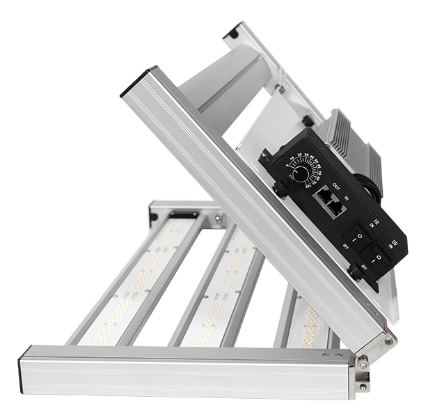
 In international shipping, complete products and disassembled products may use different HS codes, which has a significant impact on customs declarations.
In international shipping, our products are often charged by volume weight.
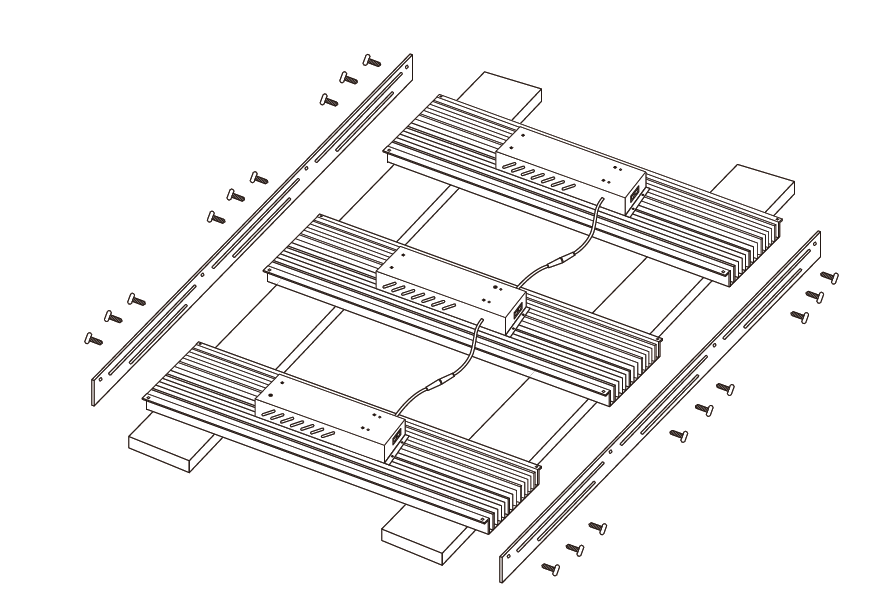
For large-scale projects, this cost is a reducible option because it does not affect the actual performance of the product. Therefore, we provide customers with more diverse structural designs to address this, such as splitting or folding.
By optimizing the installation plan, the product volume is greatly reduced, shipping costs drop significantly, and installation becomes easier. Moreover, the flexibility and fault tolerance of the entire system maintenance are improved. This is a task we have long prioritized. For large projects and wholesalers facing end-customers, these are very beneficial designs.
Since most of our products do not require split shipping, regardless of how you previously transported our products, the policy changes mentioned at the beginning will not affect our existing cooperation.
So, what does this change actually affect?
Is solar power possible? This question needs more time to verify. A perfect solar lighting system still has many problems to solve, such as:

· Solar power is highly dependent on local sunlight conditions. For stable energy supply, it is best combined with the power grid.
· Solar systems require energy storage. Otherwise, it’s like “a fan without wind” and often less effective than direct sunlight.
· Solar systems require high maintenance, and dust significantly affects conversion efficiency.
· Installation and maintenance labor costs are high.
· Solar systems are not cheap. After adding import duties and transportation costs, they are difficult to promote without government subsidies.
· If power output is unstable, lighting systems must be designed to withstand voltage fluctuations, which increases cost.
· Based on all the above, power supply, solar systems, and lighting must be designed and installed together. This is complex, has low fault tolerance, and requires a full turnkey solution provider. Otherwise, responsibility during installation is difficult to define.
We will release related blogs in the future to explore this issue more comprehensively.