
Views: 0 Author: ICEVER-Nancy Publish Time: 2025-10-09 Origin: ICEVER

This article explores whether ordinary light bulbs can effectively support plant growth.
It first explains how plants use light, emphasizing the importance of specific wavelengths in the photosynthesis process. Next, it examines different types of light bulbs that can help plants grow, including LED, fluorescent, and specialized grow lights, comparing their efficiency and light spectrum.
Finally, the article discusses the differences between a regular light bulb and a grow light, focusing on light quality, intensity, and energy efficiency.
Overall, it concludes that while normal bulbs can provide some light, they are generally not ideal for healthy and sustained plant growth compared to purpose-designed grow lights.
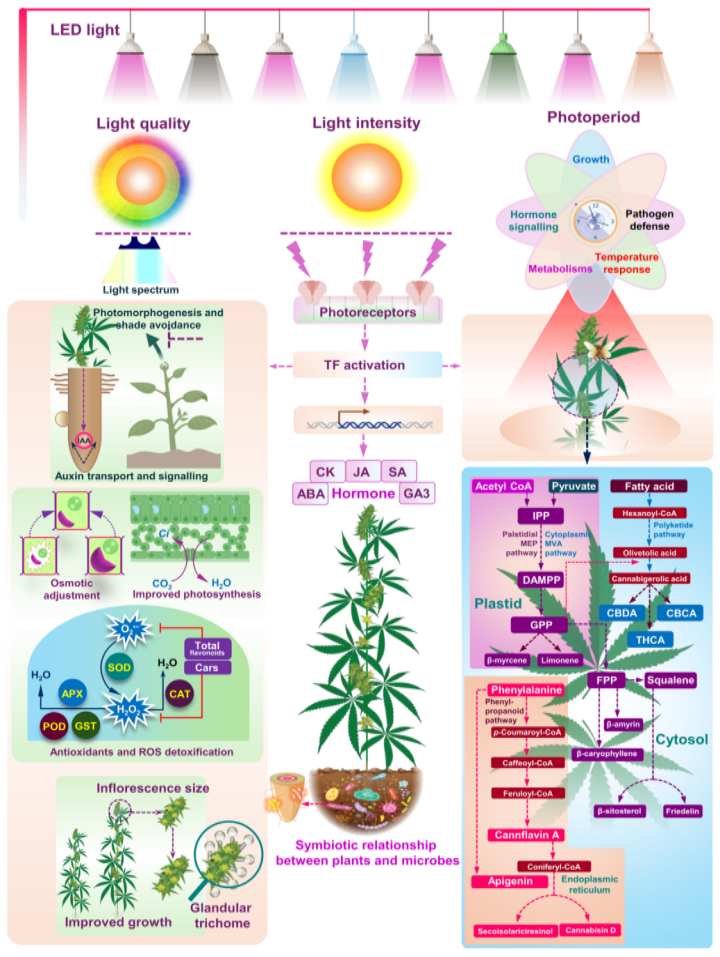 The basic principles of plant light requirements
Plants convert light energy into chemical energy through photosynthesis, driving growth and metabolism. Photosynthesis primarily occurs in chloroplasts, where chlorophyll a, chlorophyll b, and carotenoids absorb light energy.
Specifically:
Blue light (400–500 nm) promotes leaf unfolding and stem thickening;
Red light (600–700 nm) promotes photosynthesis and flower bud differentiation;
Green light (500–600 nm) penetrates the leaves, assisting in deeper photosynthesis.
 Plants absorb light energy most efficiently in the blue and red light regions, which is the scientific basis for optimizing the red-blue light ratio in plant growth lights.
Light Intensity
The rate of photosynthesis increases with increasing light intensity, but tends to plateau or even decrease after exceeding the light saturation point.
Insufficient light intensity leads to excessive vegetative growth and weak leaves; excessive light intensity may cause photoinhibition or leaf scorch.
Light Quality
Different wavelengths of light have different effects on plant morphology and photosynthetic efficiency.
The red-blue light ratio significantly affects plant architecture, flower bud differentiation, and biosynthetic products.
Photoperiod
Short-day, long-day, and neutral plants are sensitive to day-night length.
Photoperiod regulates flower bud differentiation, bolting time, and plant physiological rhythms.
Key spectrum requirements for cannabis at different growth stages

Types and spectral characteristics of general lighting lamps. Comparison of common lamp types and spectrum adaptation
| Light type | Spectral characteristics | Applicable stage | illustrate |
Fluorescent lamps (CFL / T5) | Blue light, weak red light | Seedling stage / cutting stage | Gentle enough to not hurt the seedlings, but the energy is not enough to support the flowering period |
Metal Halide Lamp (MH) | High proportion of blue light | Growth period | Promotes compact leaves and strong stems, suitable for the vegetative growth stage |
High-pressure sodium lamps (HPS) | Rich in red light and less in blue light | Flowering/fruiting period | Promotes flower bud formation and fruit development, often used with MH |
Red and blue LED lights (Red + Blue LED) Red and blue LED lights (Red + Blue LED) | The spectrum is concentrated in the red and blue regions | Growing season to flowering season | High photosynthetic efficiency, but visually glaring and unnatural |
Full Spectrum LED Lights (Full Spectrum LED) Full Spectrum LED Lights (Full Spectrum LED) | Covers 400–700 nm (simulating sunlight) | Full cycle | One lamp can be used for multiple purposes, from seedling cultivation to flowering |
Quantum Board LED (Quantum Board) | High PPFD, smooth spectrum | Full Cycle (Professional Grade) | High energy efficiency, good uniformity, suitable for professional planting tents |
COB LED Light (Chip-on-Board) | Wide spectrum + high brightness concentration | Growing season + flowering season | Suitable for large plants or high-demand stages |

Schematic summary of the "Spectral adaptability" of each light
Light type | Seedling stage | Growth period | Flowering period | Full cycle adaptability |
Fluorescent lamps (CFL/T5) | ✅ | |||
Metal Halide Lamp (MH) | ✅ | |||
High-pressure sodium lamps (HPS) | ✅ | |||
Red and blue LEDs | ✅ | ✅ | ||
Full-spectrum LED | ✅ | ✅ | ✅ | |
Quantum Board LED | ✅ | ✅ | ✅ | |
COB LED | ✅ | ✅ |
Energy consumption and heat generation characteristics of different types of common lamps:

Regular lights are created to provide light in a dark space.They are compose of narrow spectral wavelengths and normally there is no proper spectrum of light to engage photosynthesis.That said incandescent bulbs can actually be used to grow seedlings but once you start to get larger plants the bulbs simply do not produce enough wattage/energy for the plants to do photosynthesis.
Grow lights are lights that specialize in producing lighting in the 400nm-700nm light range while producing a high wattage.(wattage is the energy that plants can use to convert amino acids into sucrose and other important compounds they use to grow.
While some plants might scrape by under regular light bulbs, their yield would likely be meager. On the flip side, grow lights such as LED grow lights and HPS grow lights significantly boost plant growth, thanks to their tailored light wavelengths.
We strongly advise against attempting to nurture sun-loving plants under standard light bulbs– they'd likely wither in such unsuitable conditions.
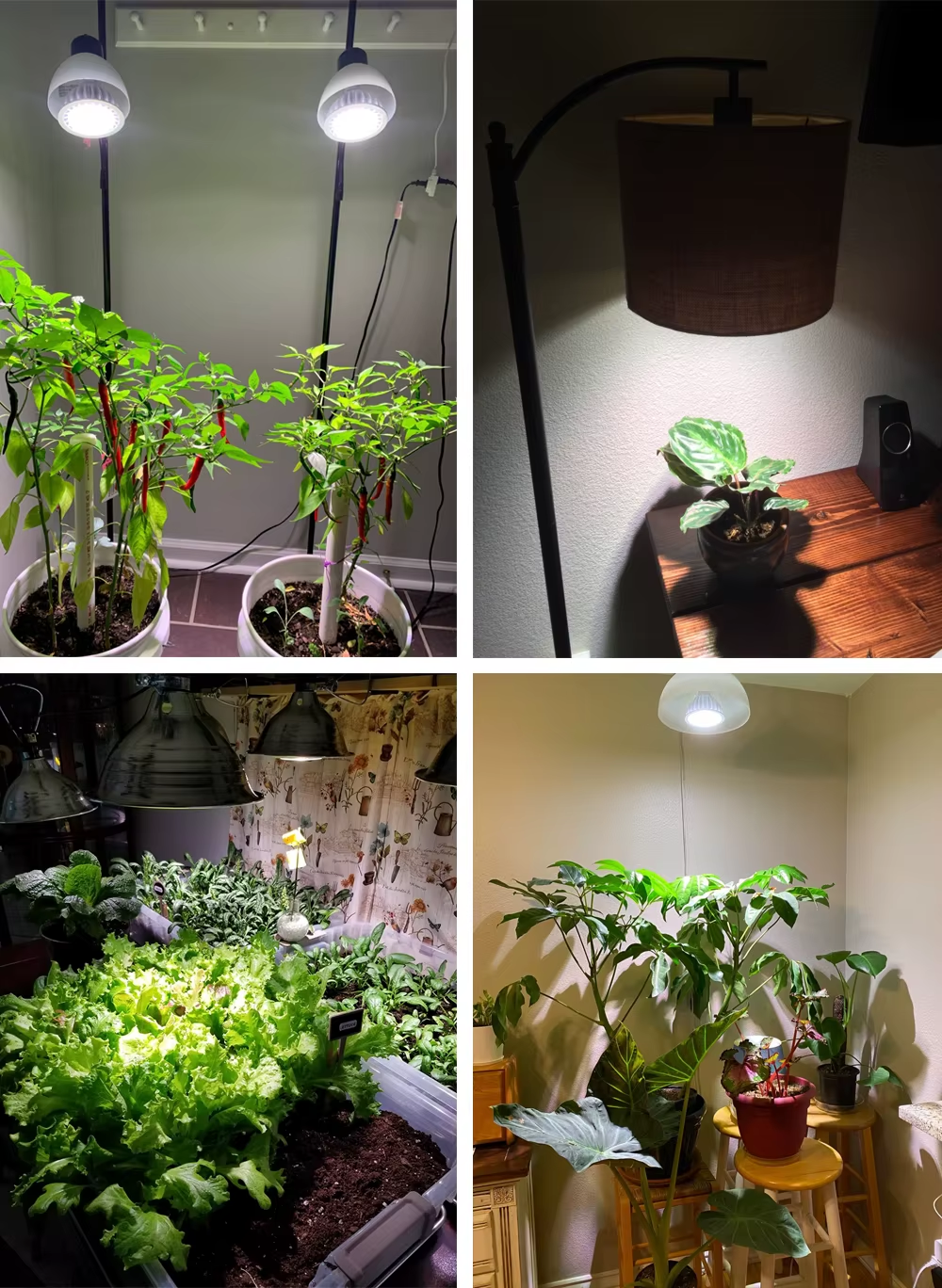
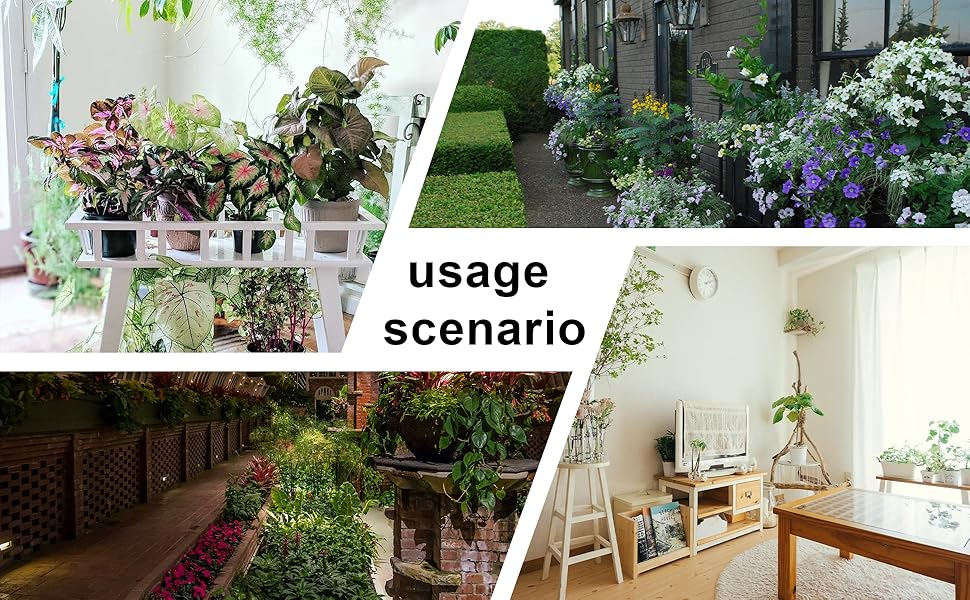
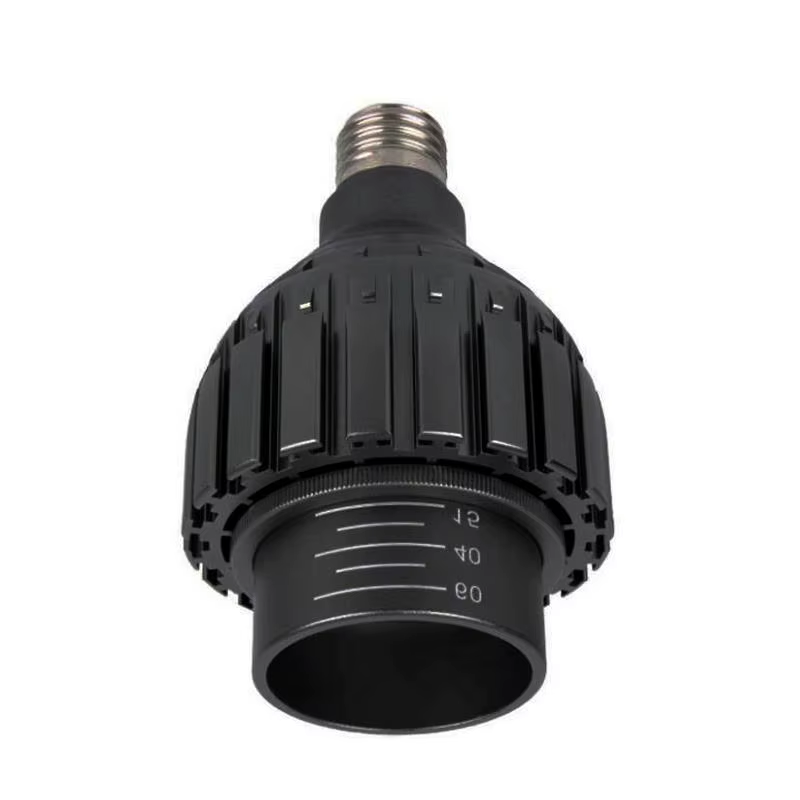
Beyond the standard fixtures, the market also offers bulb-style grow lights, such as Grow Light Bulbs and PAR Grow Bulbs. These typically include:
 |  |
 |
PAR Series: Ideal for single plants or accent lighting.
Corn Bulbs: Featuring multi-faceted PCBs.
UFO Series: Flat, disc-shaped designs.
COB Bulbs: A single, powerful COB on the front.
Multi-head Bulbs: Adjustable with 2–4 flexible heads.
Looking at these designs, it’s clear that grow bulbs use the same LED chips and high-power PCBs as the more popular grow lights—the main difference is simply the structural form. However, because they are so compact, products of varying quality levels can suffer from heat buildup, rapid light decay, and shortened driver lifespans. Their main advantages are convenience, aesthetic appeal, and their suitability for small-scale lighting.
If you’re looking for the right grow bulb, keep these three points in mind:
Heat Dissipation: Heat buildup creates a vicious cycle that affects light decay, efficiency, structure, and safety.
Spectrum: Ensure the spectrum actually meets the plant's growth needs.
PPFD: Check if the intensity is sufficient to support growth (it’s about plant energy, not just brightness to the human eye).
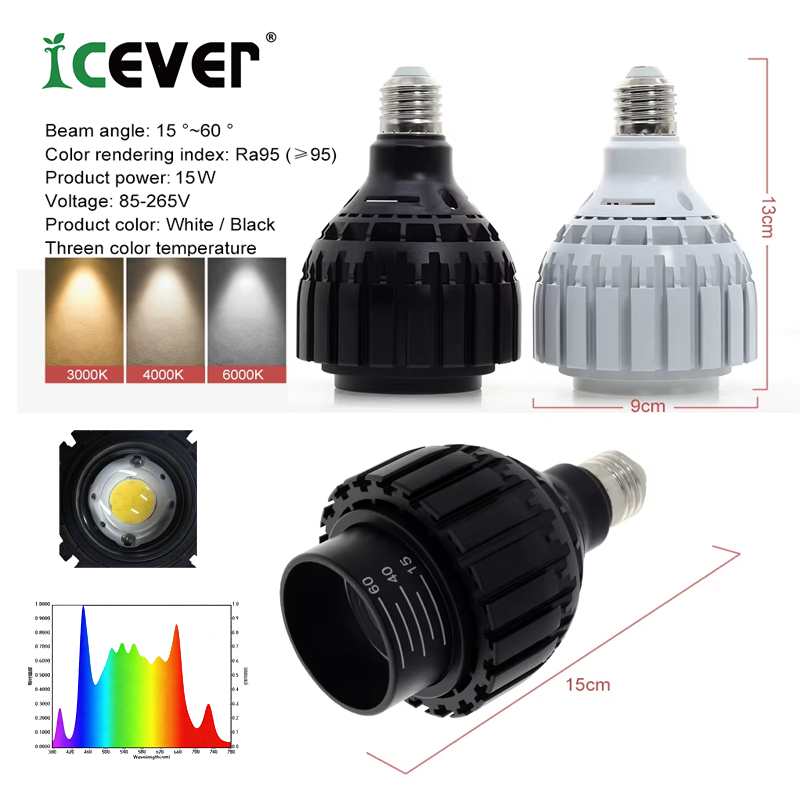
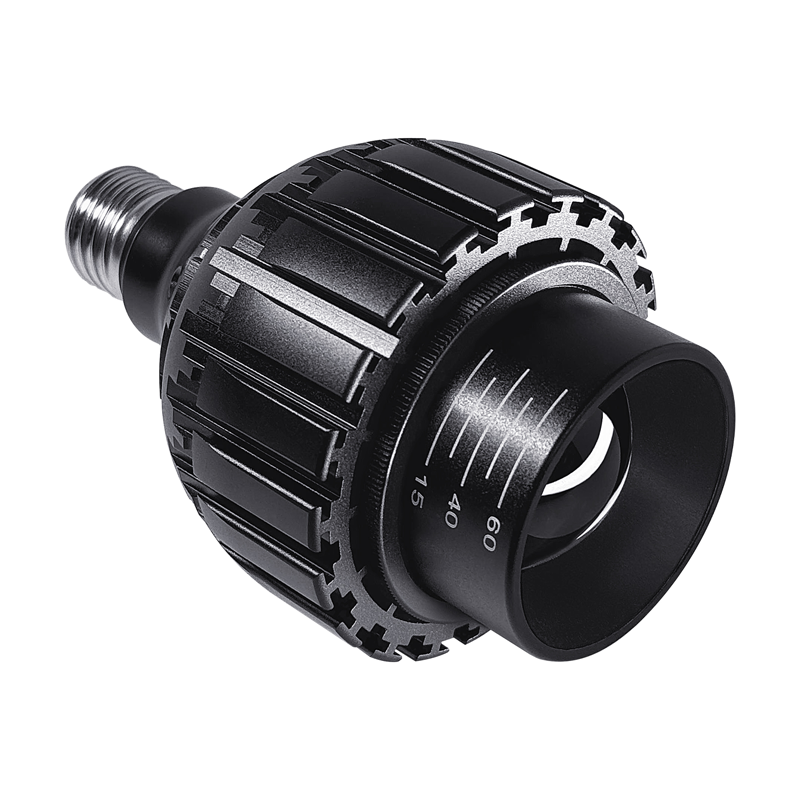
We've recently started production on a new grow bulb specifically designed for ornamental landscapes.
On top of a full spectrum, we've added UV to help sun-loving plants—like Agave—maintain their characteristics and increase their value. For various tropical plants, a specific amount of UV mimics their natural environment and compensates for the lack of UV indoors.
There aren’t many designs on the market today that combine COB technology with UV support, and we welcome any inquiries from interested clients.
https://www.ledgrowsystem.com/par-series.html→
 |  |  | 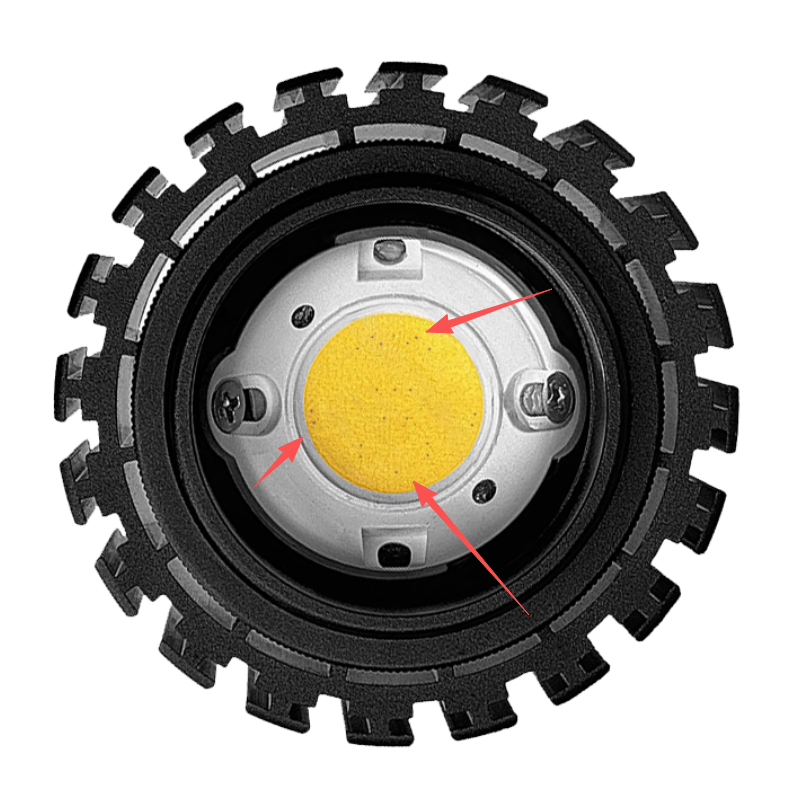 |
A:UV enables plants to better retain their vitality and characteristics in their native state. Sunlight contains UV radiation—particularly in tropical regions—which is why so many vibrant and prized plant species originate from the tropics. However, many plant grow lights currently on the market still utilize light spectra that lack UV components. To ensure that indoor plants can continue to benefit from the effects of natural sunlight, we have designed this COB product, which features an integrated UV bracket.
A: During slower growth phases, UV light can stimulate plant defense mechanisms and improve overall plant quality, rather than just focusing on rapid biomass growth.
A: UV wavelengths help enhance pigment formation, leading to better coloration in crops such as fruits, flowers, and certain leafy plants.
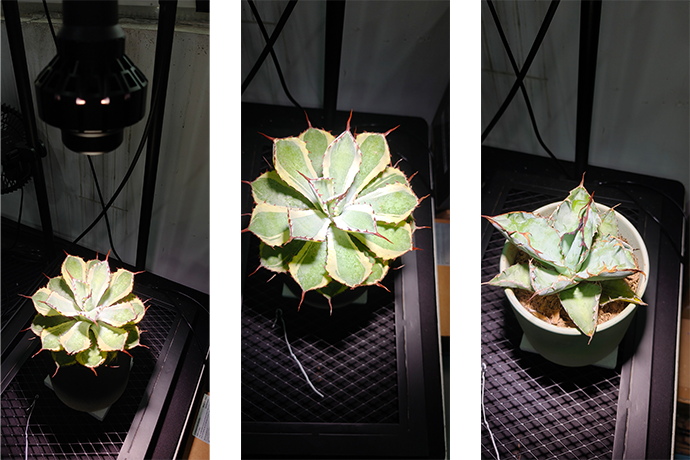
A: Yes. It was born for landscape plants.
With its bulb-style design and adjustable beam angle, it ensures your plants receive effective illumination while simultaneously enhancing their decorative appeal.
This is an agave we grow at our facility—it has been exposed exclusively to light from our bulb.
A: The hollow structure allows heat generated by the lighting fixture to be quickly transferred to the surrounding air through natural convection, significantly improving heat dissipation efficiency.
A: Yes, the enhanced airflow and heat dissipation make it more adaptable to environments with higher ambient temperatures compared to traditional enclosed designs.


